
2025 Trends: 7 Top Innovations in Directories & Buyer Guides


At the latest roundtable on how buyer’s guides drive revenues, publishers shared innovations. Here are some of the top ideas:
1. Contextual targeting inside the website as an upsell
When AgProud, publisher of family farming magazines in the U.S. and Canada, migrated to a new content management system, the CMS provider suggested building a Buyers Guide as a way to cover the extra costs. The guides are split between the U.S. and Canada, but there is a single directory for all three magazines.

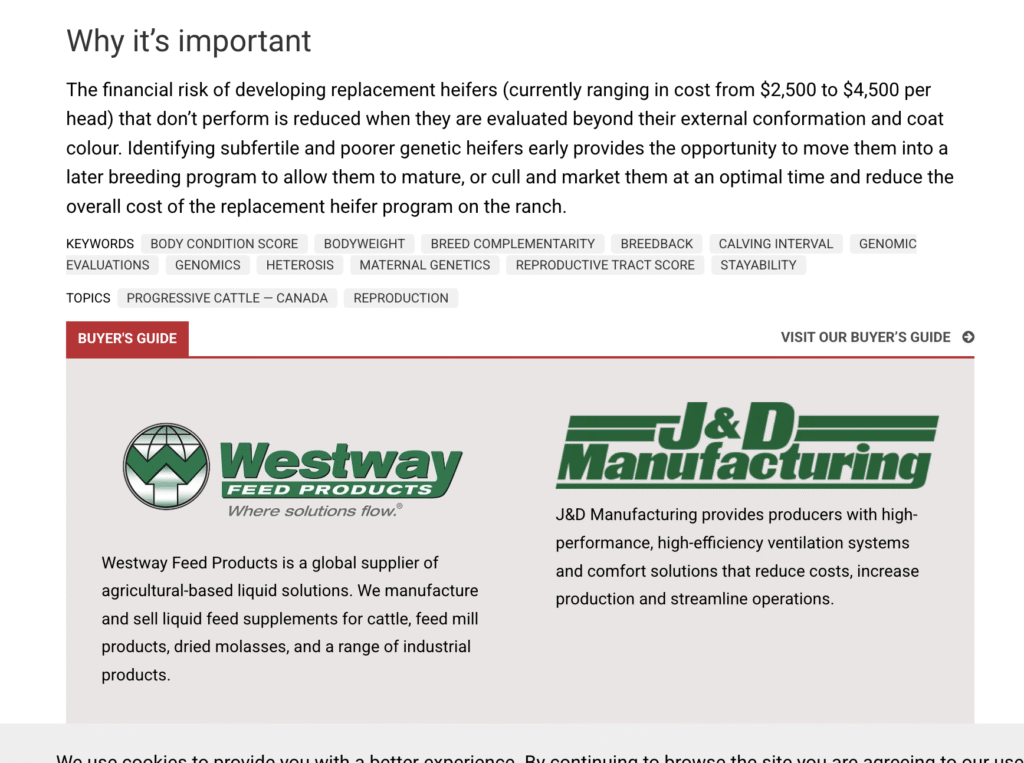
Today, publisher and owner Walt Cooley said that most of the directory listings are free, but 25 companies pay $1000 a year to enhance their listings. This includes embedding them into relevant articles. A simple tagging system is used.

This is how the placements looks, embedded into the content, with the list of “tags” or key words used to pull the right listings:
AgProud also charged $100 to add additional categories beyond the three available for premium listings.
2. Video explainers
Another innovative feature of AgProud’s directory is a short video explaining how and why visitors should use the directory. Publishers often have areas of their website that visitor don’t know about or understand, so this is a great practice. Click to play takes you to YouTube.
3. AI-Powered Search Bars
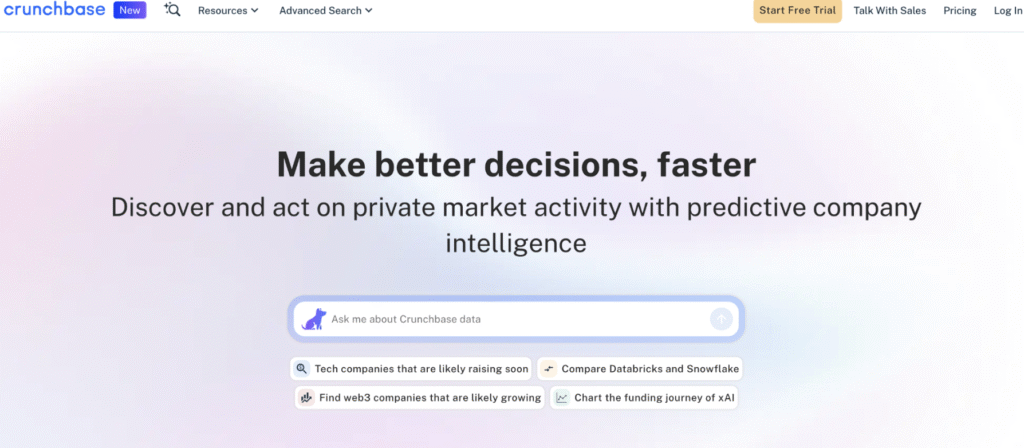
AI is appearing more often in solutions publishers come up with, and directories are no exception. The new home page of Crunchbase, for example, promotes its database of information on tech companies with even listing categories or search filters.
Instead, there is just one AI-powered search bar. Typing in a question returns a response that includes links back to the data source. Going deeper into the data triggers a prompt for a subscription. New AI tools such as Direqt can power this option.
4. The database model
Add enough valuable content to a directory like Crunchbase – especially anything that can be continually updated – and you have a database that can support subscription sales.
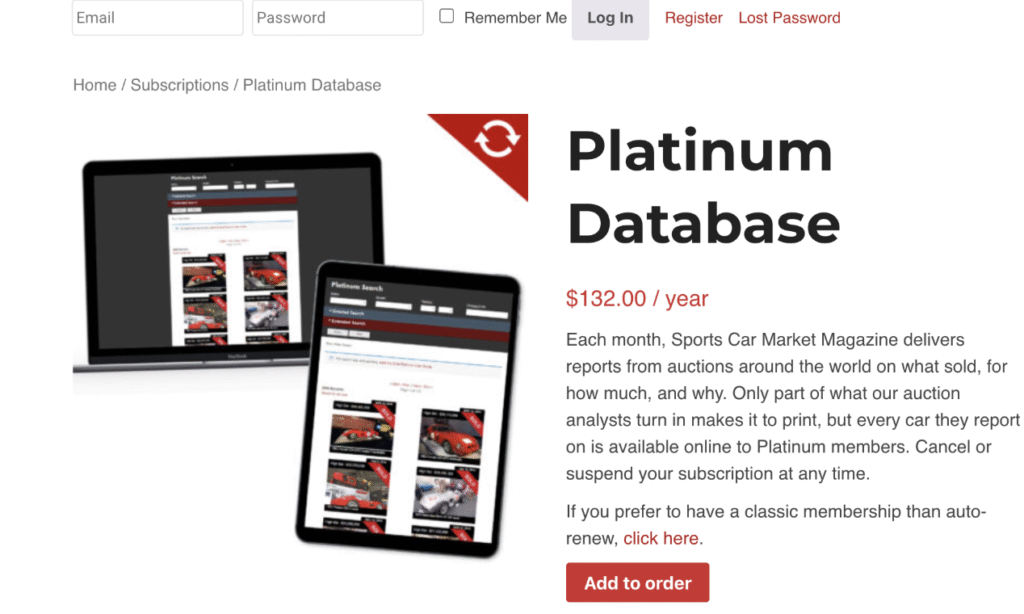
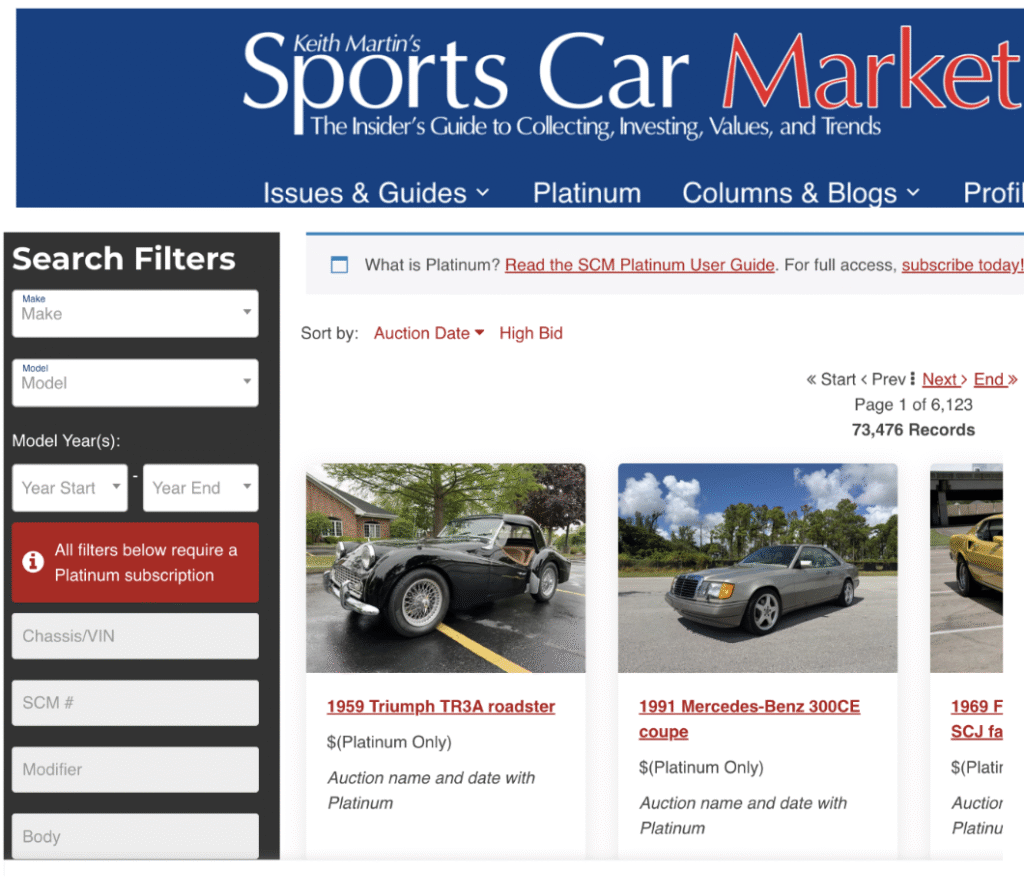
SportsCar Market, for example, tracks every individual classic car sale at auction in its database that passionate collectors use to check values before bidding. They pay $132 a year for this intelligence on cars whose prices start at $25,000 and can go on into the several hundred thousands.
A database model works well for information that is public, such as information on government contracts that requires a FOIA requests, and which is also hard to find. AI promises to make the extraction of some valuable data viable for the first time. Some publishers, such as Parking Today, where a large portion of parking lots are controlled by a government, are looking into how they can access this data.
5. The no-code directory website builder
Chris Charbonneau, of Spinsheet, and Mike Gaffney, president of Pixelworks, are both experimenting with building directories using the no-code tool Replit. Gaffney is in the process of selecting the most promising brands from his vast collection of domain names to populate this way, including Private Schools.com, an elegant site that has a large variety of sponsors.
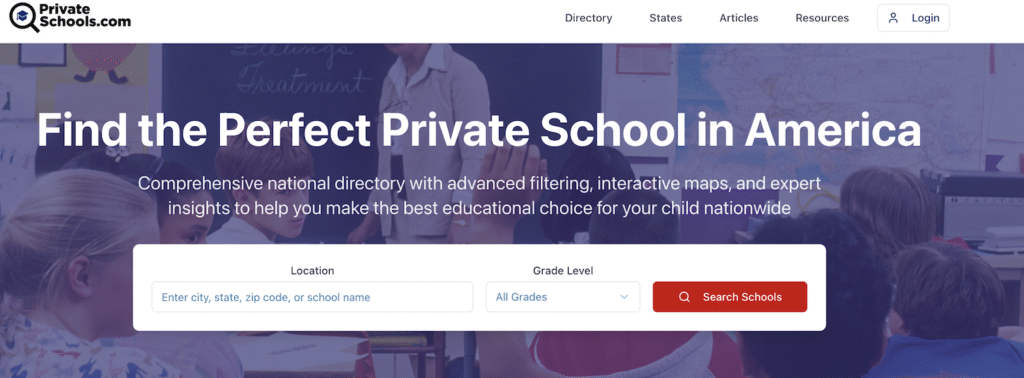
Note, however, that tools like app builder Greta and Replit can “break” under the pressure of too many and/or out-of-order, requests as databases get larger. Replit made the news when it crashed, deleting a live database, an article in Fortune reported.
6. The Event-First, video-first model

AE Ventures, publisher of Build Innovator, started out as an event company, according to Ryan Mahoney, Sr. VP of Operations. That changed when the company was forced to take the event online, with every vendor getting a page of content, during the pandemic, and it started evolving as an online media company.
All the videos are now shot live, not on Zoom, either at conferences or by flying to the client for the shoot. All event packages include both video and a listing in the buyer’s guide.
A “$950 non-delete item in all our event agreements that includes a vendor showcase page and product spotlight page within our website directory,” Mahoney said. All media packages also include one of these pages. Packages start at $11,000 and go up from there.
“The content we produce has a definitive place to live on our website that is strictly about the sponsor,” he said, searchable by product and by company.
7. No-form Lead Capture as an upsell

Parking Today’s publisher, Kevin Uhlenhaker, is also looking at different ways to package and upsell a directory that was part of the print magazine he bought in 2024. “It has turned out to be a hidden gem,” he said.
After revamping the directory and culling the number of categories, the plan is to expand to include free listings and provide the only complete directory in the niche.
With only a few hundred companies, this is an attractive possibility for the free-to-paid model.
Like Builder Innovator, advertisers will all have a listing. The new approach he is considering would allow companies to have premium listings to contact people who “hovered over” their listing, a technology that uses enhanced customer data built into the CMS designed by MediaOS.
That’s in the future, and considered “bleeding edge” at the moment. But as targeting via customer data platforms (CDP) evolves, use of directories for no-form lead capture is sure to be part of the future for directories as well.


