
10 Great Ideas to Increase Newsletter Opt-ins


We looked at almost 100 media websites to find the best ideas from publishers are using to acquire registrations.
In general, just adding a pop-up increase conversions, and provides information such as special offers that the audience may not find on their own. However, pop-ups can also be annoying to visitors: only 21% of find them helpful verus 23% that dislike them, according to JustinMind. The key seems to be how they are used.
Aside from timing – wait more than 4 seconds for the most conversions – we found ten ideas that keep the messaging in sync with website visitors. The ideas can include a special offer, but most focus on a stated or implied benefit that readers can’t find anywhere else.
In other words, a persuasive concept is tailor-made for niche publishers who provide focused content to specialized audiences.
Here are ten ideas we found that conveyed a unique benefit:
- A comparative claim
- Save time
- Access great, journalism
- Event alerts
- Join a tribe
- Access a lifestyle
- Access mobile apps and video
- Receive premium content
- Alerts for product reviews
- Discounts and deals
- Contests
- Giveaways
Below are explanations for each of these with examples from top publishers.
1. Benefit: Make a comparative claim
A comparative claim is one of the most popular strategies when asking to sign up for alerts. Is your media the “Best,” “Largest,” “Most trusted,” “The only,” or some other differentiator? The only way the viewer can stay up-to-date on this unique content by signing up for the newsletter?
Here is a comparative claim aimed at capturing a registration from a user in the crowded marketing space:
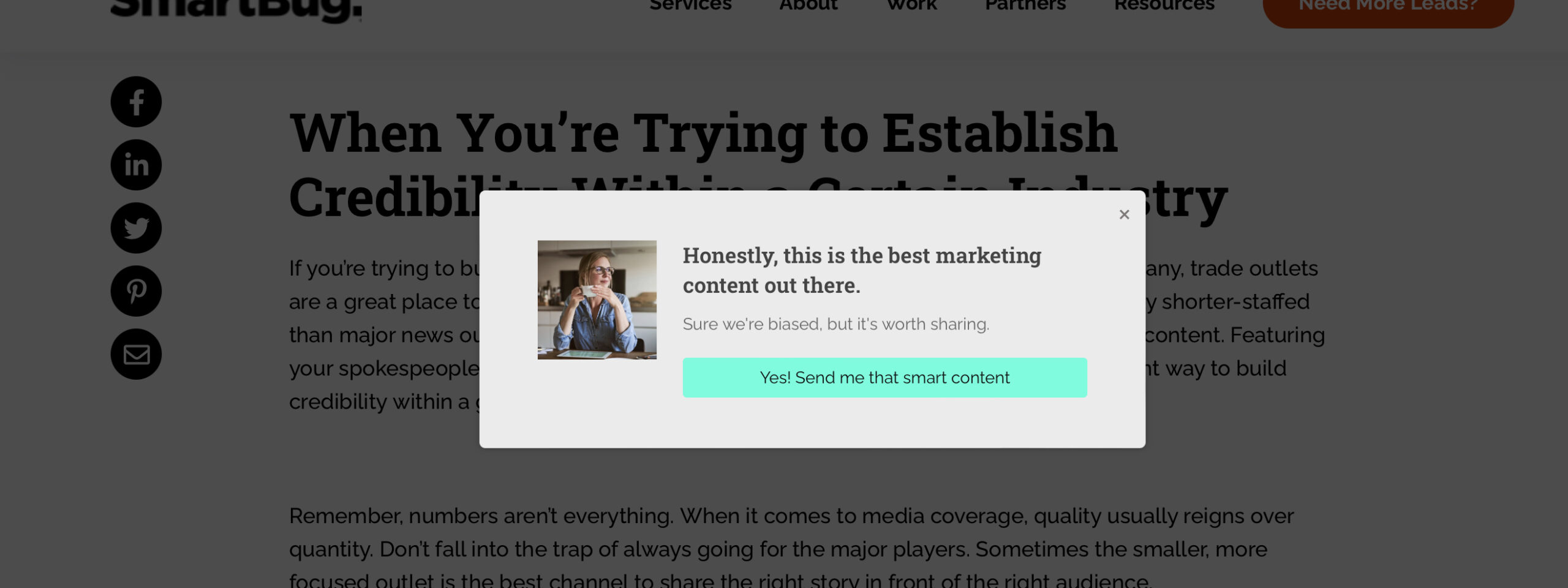
We liked the bold comparative claim to have the “best marketing content out there.”
Another magazine group promises to be “the most relied upon source for the latest business aviation news.”

AIN, publisher of three magazines for the international aviation industry, relies on its central position to create a must-read.
2. Benefit: Save time
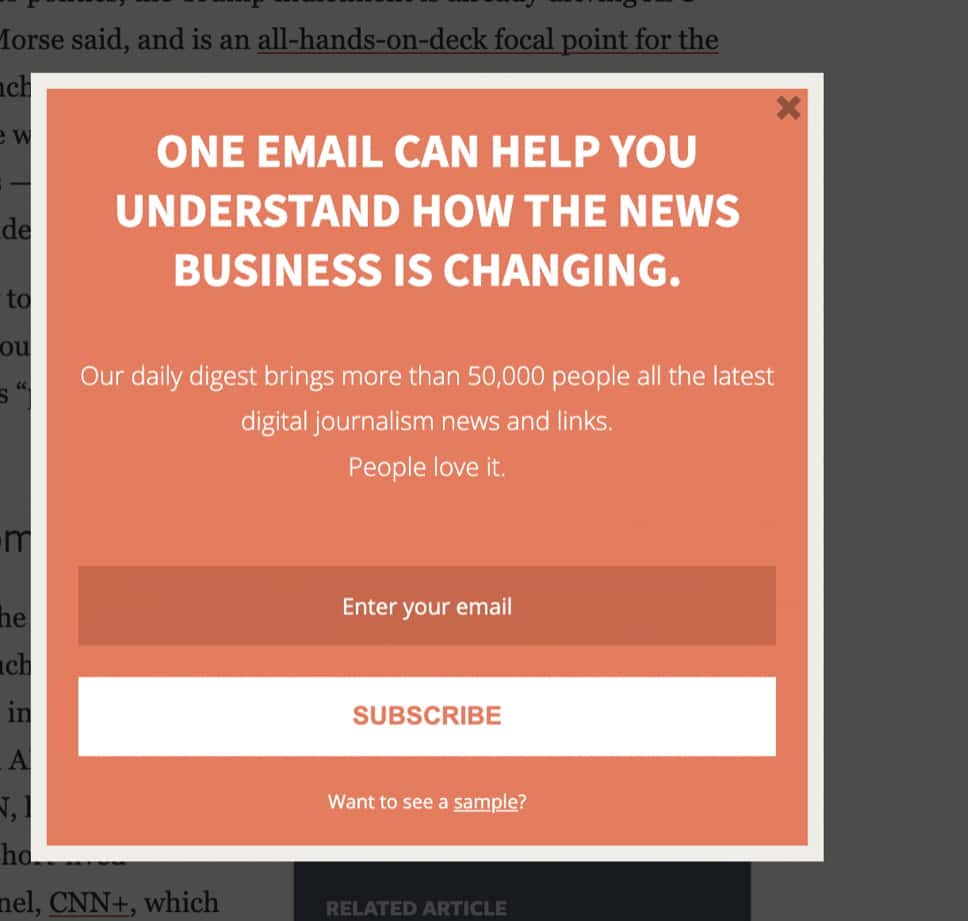
People often have too much information, so the promise of a condensed format is actually a benefit and is used by some of the most successful subscriber marketers. Daily Brew grew an audience in the millions by promising to make you “smarter than your financial advertiser in five minutes a day.” Digiday uses a similar message, “Get smart. Fast.”
Here’s an example from the survey, of how to save time by using one email, instead of fractured information sources.
3. Benefit: Powerful journalism
Small Business Monthly, SBM uses the registration pop-up to showcase its story-telling chops.

The design is strong, but the main benefit offered is great story-telling. The irresistible headline, “How I almost killed my company,” with the words “Almost killed” in capital letters, in red, above the fold, grabs attention. It is something we wanted to read.
In addition to selling the drama of a great story, the headline is written in the first person and shows a young, casually dressed entrepreneur – perfect for a small business audience, who can see themselves in this situation. It has a BuzzFeedy quality but is artistically excellent and on brand.
“The source of small business” slogan, positioning the magazine as the leader in its niche and distinguishing it from dozens of magazines that appeal to a more corporate audience.
When the Daily Beast asks for a registration in its emails, rather than a pop-up, the product is truth, or you might say, truth with attitude:
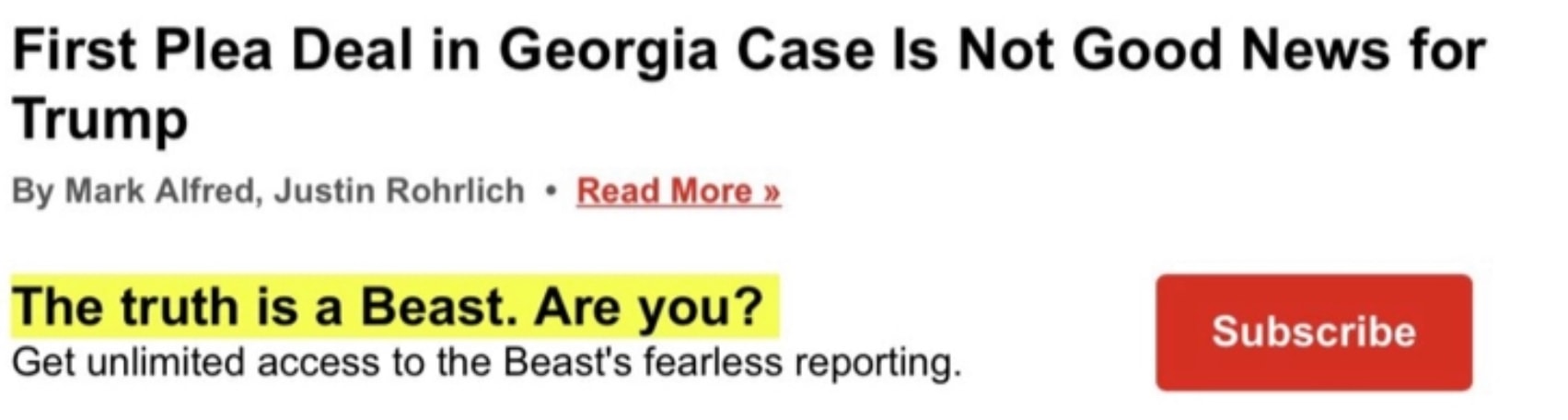
The compelling message “Get unlimited access to the Beast’s fearless reporting” shows they understand their value proposition; implied is the unstated comparative statement that this exclusive news will not be found anywhere else.
Great journalism could also be coverage of a new, fast-paced technology disrupting the industry, like AI.
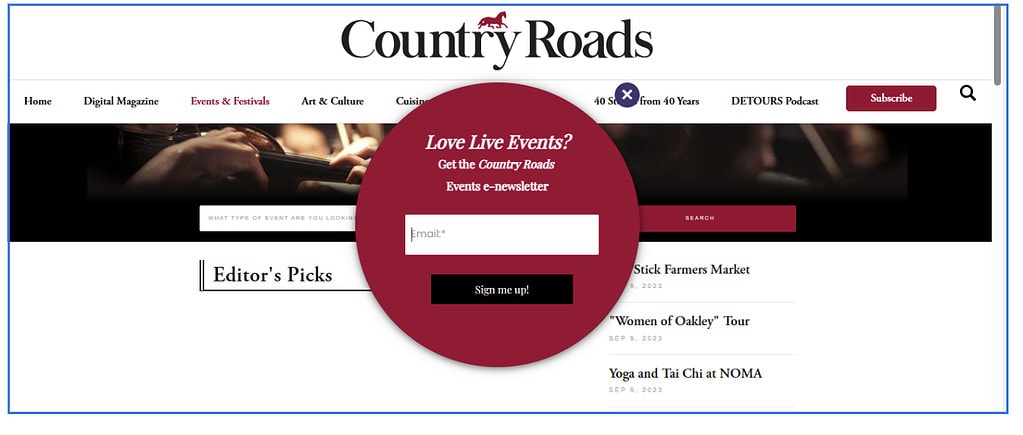
4. Benefit: Event alerts
Event alerts are a powerful way to incentivize newsletter sign-ups. In Portland, the sender of a 5 Things to Do Today email built a small media company with just five picks, including restaurants and shopping, and sold ads against it without publishing as much as a website.
Here’s an example from a parenting magazine:
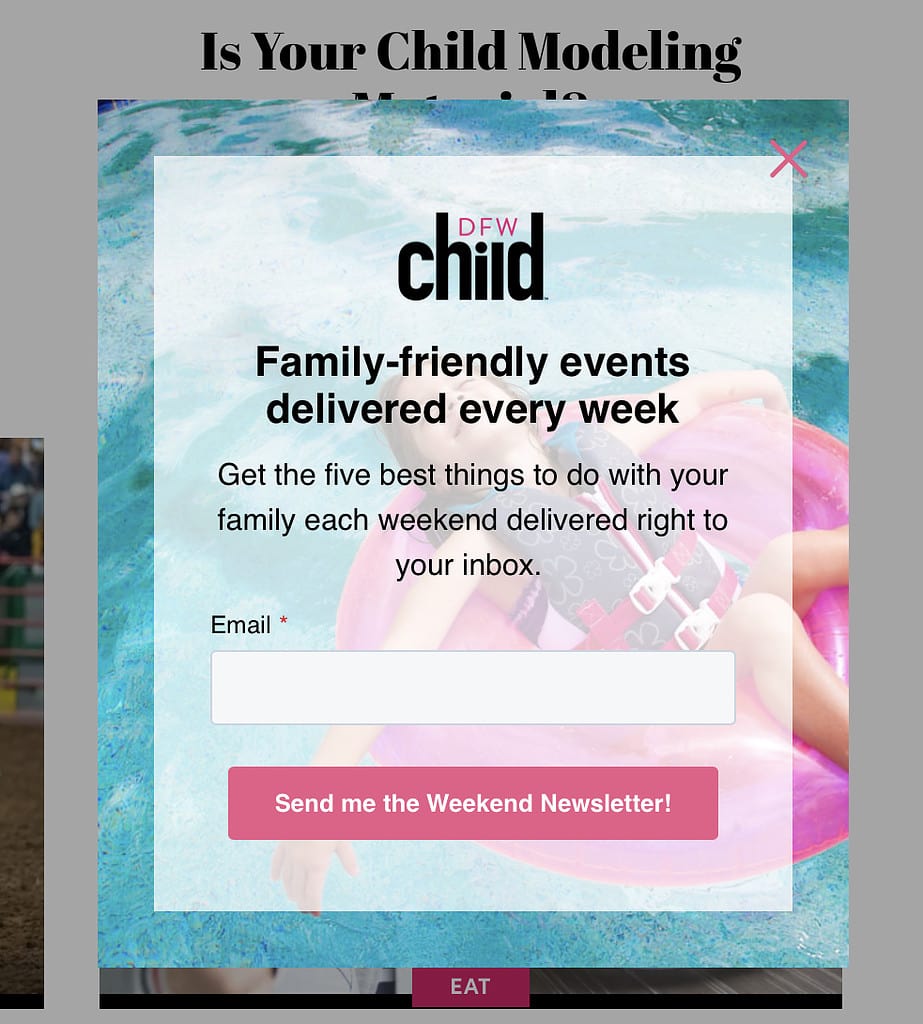
The “Five things to do this weekend” is a winner for working families, who face the extra burdens of planning family-friendly activities. They don’t have to scroll through a calendar, since the editor has curated the information for them. Compelling if you are a parent? We think so.
Here is another example from a different category:
5. Benefit: Join your tribe
B2C verticals often move more deep into a passion, where the audience forms a community of shared values as well as interests. The product is identity.
VegNews always promises entry to a community with shared values around food.
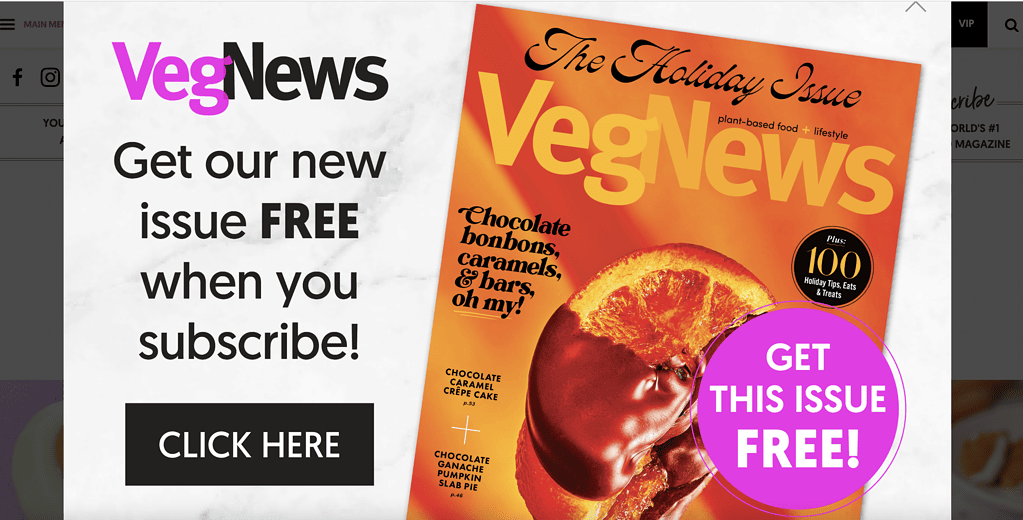
In the case of Yes! the product is an inspiration; readers express their identity as believers in an active approach to solving social, political and environmental problems. The newsletter promises to let them “learn how” to contribute.
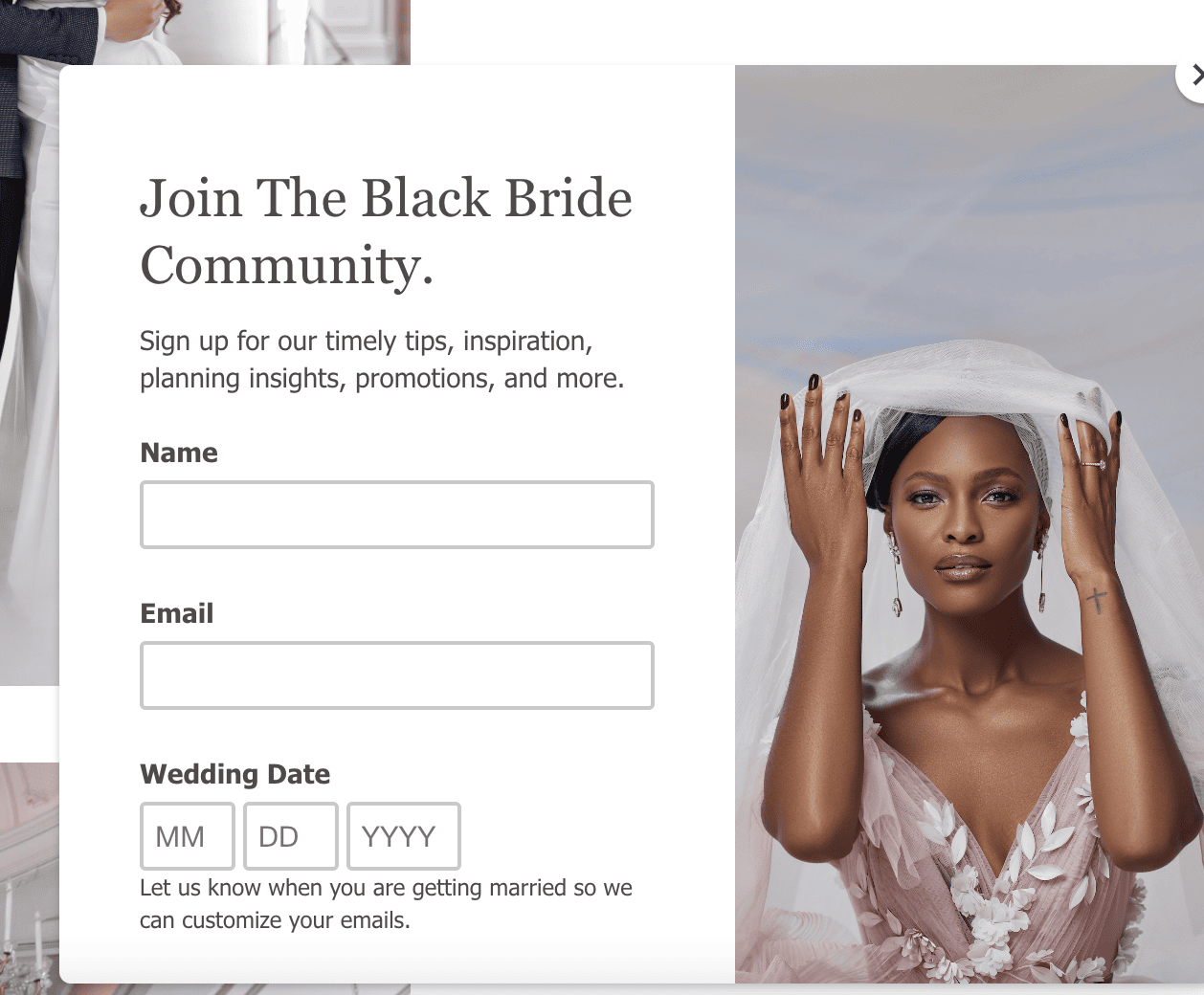
Keep in mind how visual these emotional appeals are! Here is one from Black Brides. The message is wonderfully stated, but imagine the appeal of this sign-up without the compelling image:
6. Benefit: Access to mobile video or app features
Congress in Your Pocket built an entire business around access to information about Congress available on a phone.
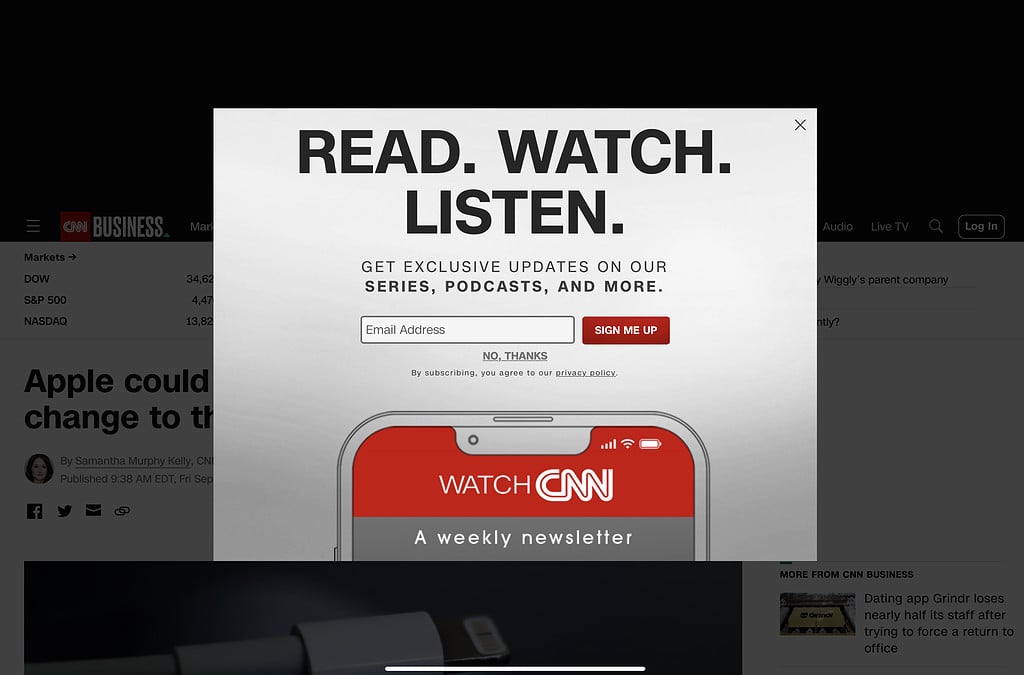
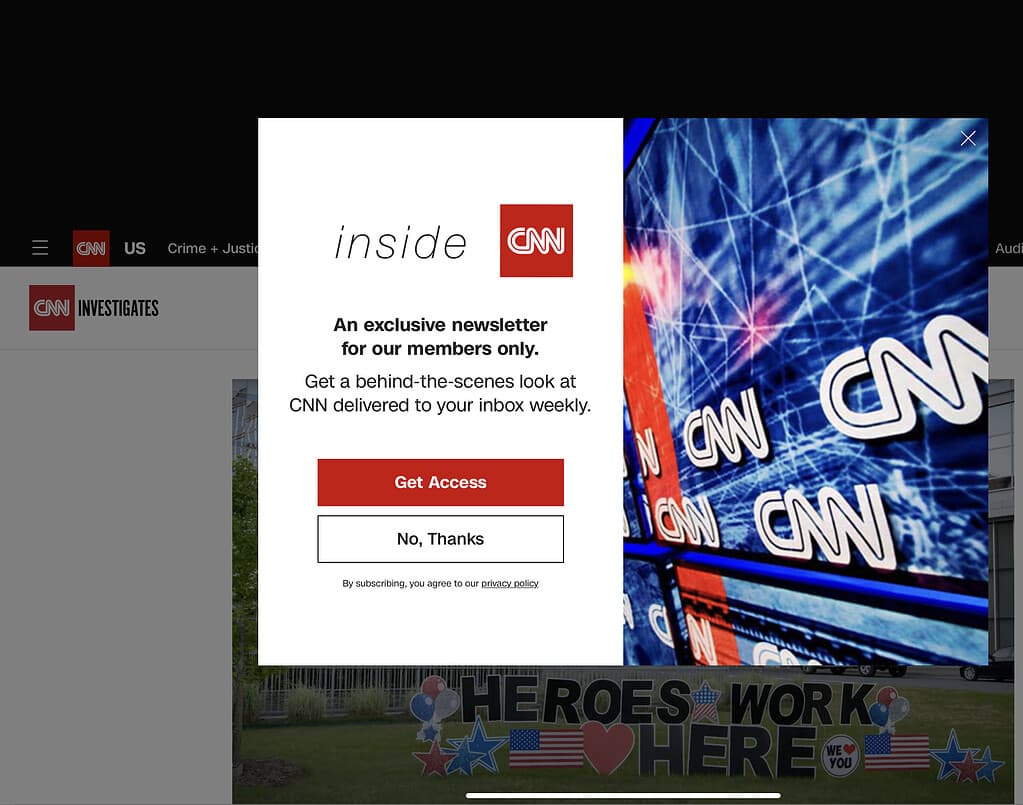
CNN also understood the advantage of video news accessible on phones, and uses this feature to attract registrations.
6. Benefit: Exclusive content
Many niche media provide some extras to people who register for their email, which in turn drives their total views.
There are a variety of versions of this, such as a downloaded e-book, an area of the website available only to registered users, or text alerts for weather. One media company built an app that delivers recipes for fresh vegetables by text so people can use it while they are shopping. To sign up, they need to leave an email.
7. Benefit: Lifestyle enhancement
For lifestyle media, part of the draw is the brand of the city, area, or lifestyle represented, that people want to enjoy and be part of. This is similar to “joining a tribe” but promises greater access to the lifestyle. The product is the lifestyle.
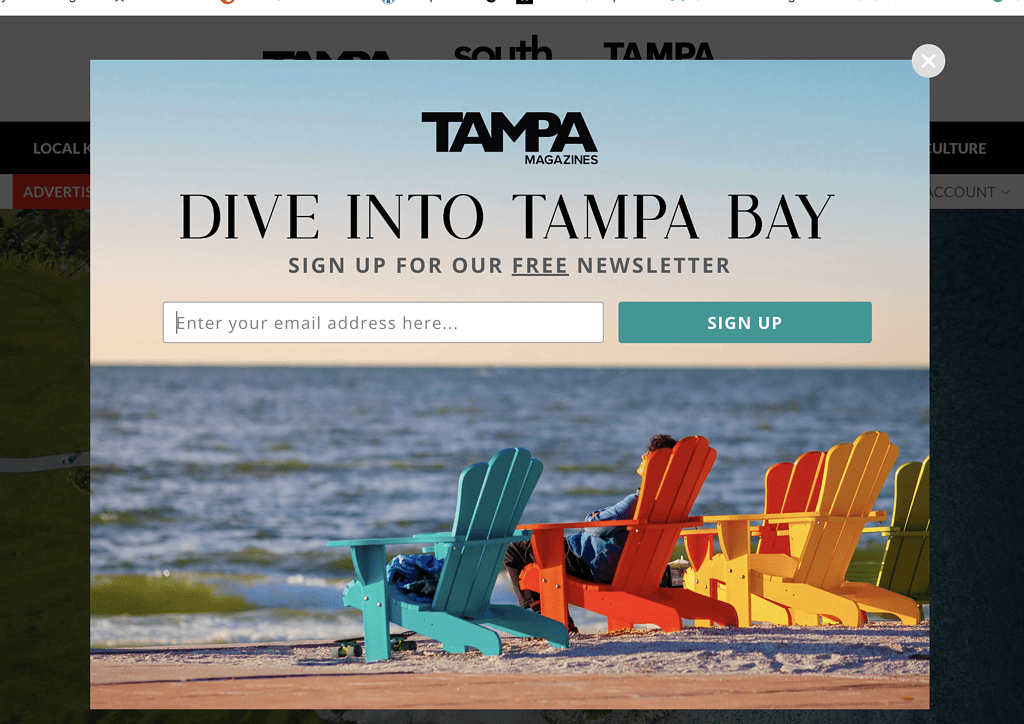
Tampa Bay Magazine uses an image that portrays the Florida lifestyle, and promises to help connect readers.

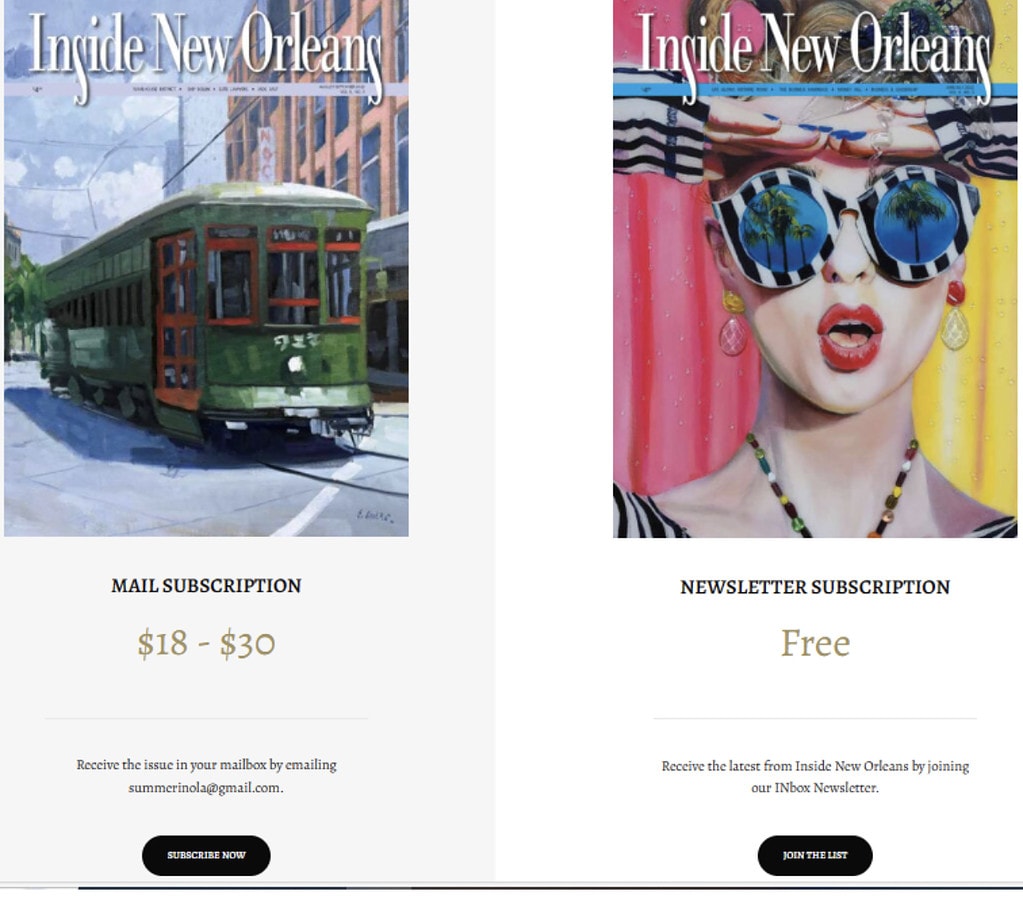
Inside New Orleans also relies on visitors and locals passionate about local things to do.
 8. Benefit: Valuable product reviews
Affiliate review sites are capturing emails by promising comparative reviews of products that consumers want. Readers typically start out by searching for a product and winding up on a product review site, where they find a request to get more tips.
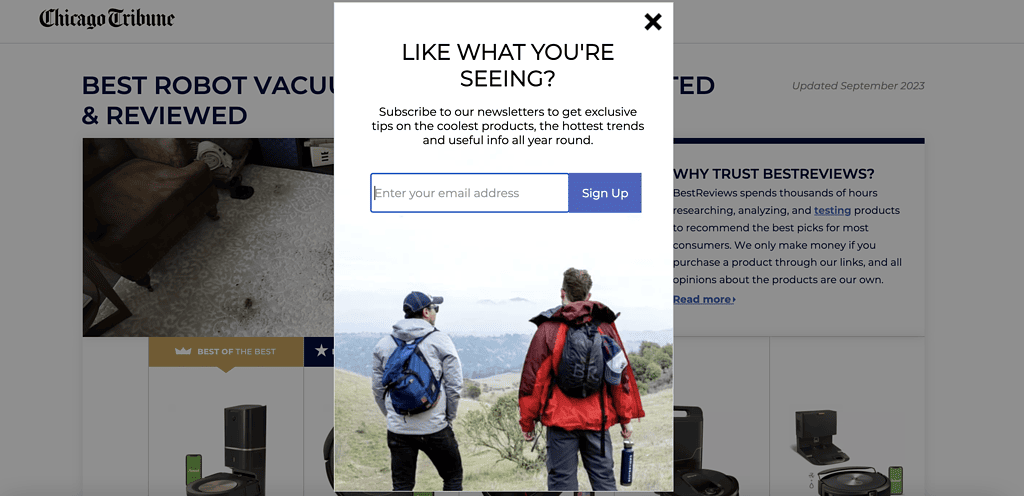
The Chicago Tribune uses this message to capture readers who wound up on its extensive product review affiliate site. As review site fans, we were struck by the in-the-moment messaging: “Like what you’re seeing? … Get exclusive tips on the coolest products and hottest trends.” This pop-up, timed to show up for someone when they are deeply engaged in the content, can build the email list that helps power affiliate sales, even if the viewer originally came to the website from an organic search.

Wirecutter’s version is, we think, even more compelling. They have developed a brand for over-the-top testing of competing products and selecting the best values. Here’s how they capitalize on those value propositions:
* Access more than 1,000 up-to-date independent reviews
*Find the best value with daily deals curated by experts
The value is so compelling, in fact, they can charge $5 a month or $40 a year, for readers to view the channel, for which they already receive a commission on affiliate sales. A neat trick!
9. Benefit: Discounts and deals
Registrations that promise discounts and deals on products that consumers want are also popular. This can include anything from a happy hour newsletter to research on deals from affiliate partners. Even CNN, who has also entered the affiliate registration business, launches this pop-up during Prime Days:

10. Benefit: Contests and giveaways
“Best of” contests have been highly successful in acquiring emails from voters, and are still used in many niche markets. Here’s an example from VegNews.:

“Best of” contests can generate hundreds or thousands of registrations. Here’s one that doubles to gain advertised leads:

A giveaway can be a guide – such as this one for MotorSports participants- promising a digital booklet with advice from seasoned veterans on “mechanical, tuning, and racing expertise.” Magazines have reported a 4.45% increase in registrations from a downloadable booklet.

Giveaways can also be first alerts on software or training on for technology that is disrupting industries:

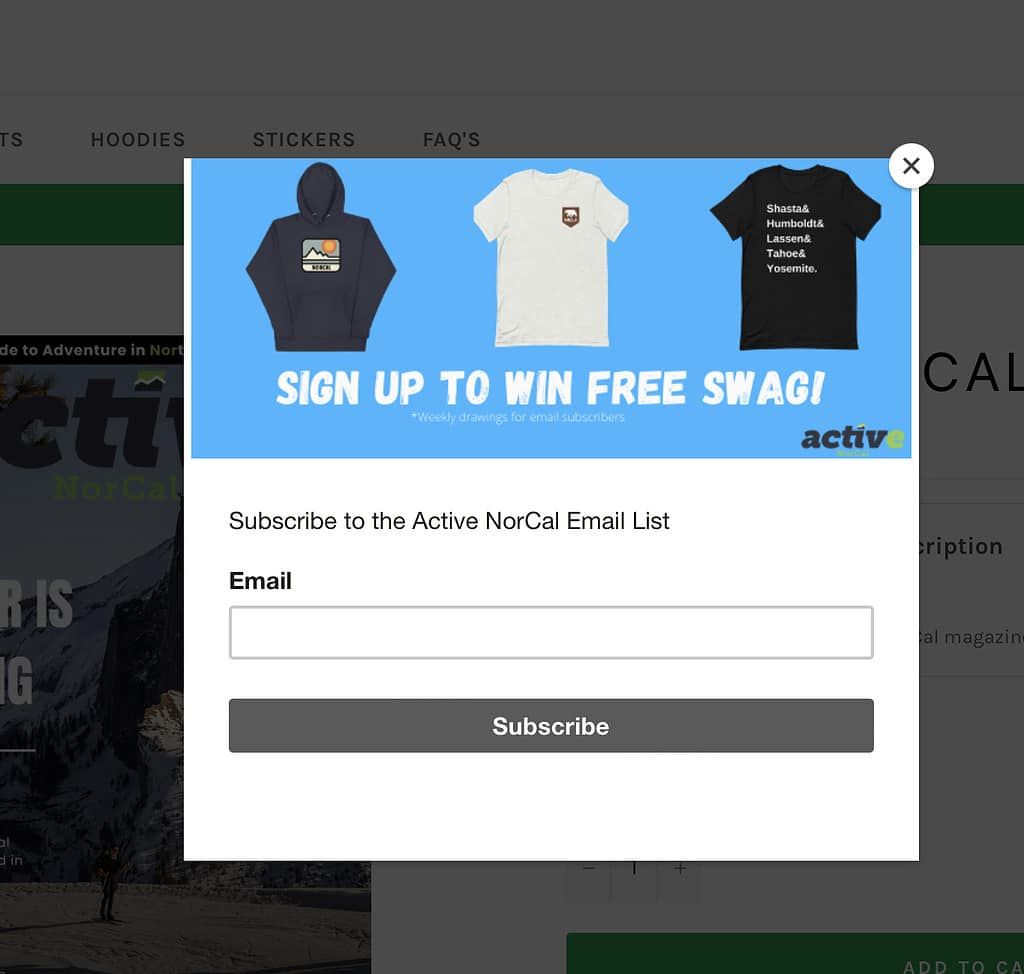
For B2C magazines, the promise of schwag can also help collect a mailing address. Here’s one from ActiveNorcal:
Group Travel leader offers puzzlers for travels to use to have fun on their journey:

Note that VegNews gives away a free magazine, another option that could be used to attract a registration.
Bonus: Exit intent pop-ups
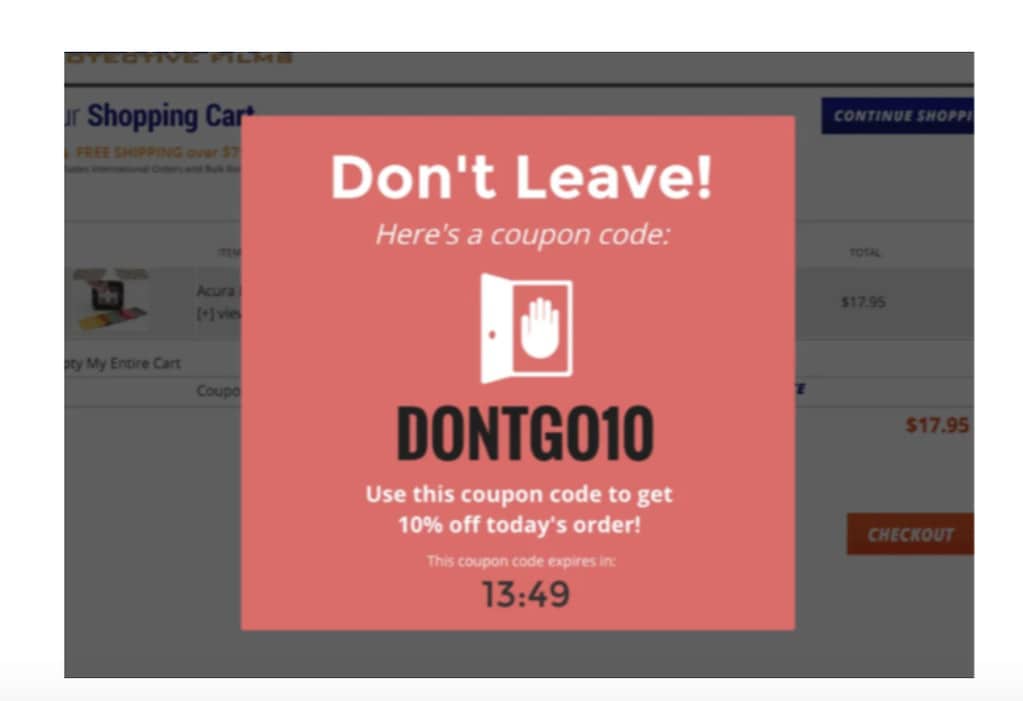
When a subscriber is abandoning the check-out page, it may be time to create a special offer, or at least grab an email sign up.This could be a click on the back button; there is great technology available.
Combining one or more of these ideas will increase registrations for almost any brand.


